Asphalt Resurfacing
When the base is still good but the top is tired, an overlay buys you another decade for a fraction of a tear-out. We'll tell you straight whether yours is the right candidate.
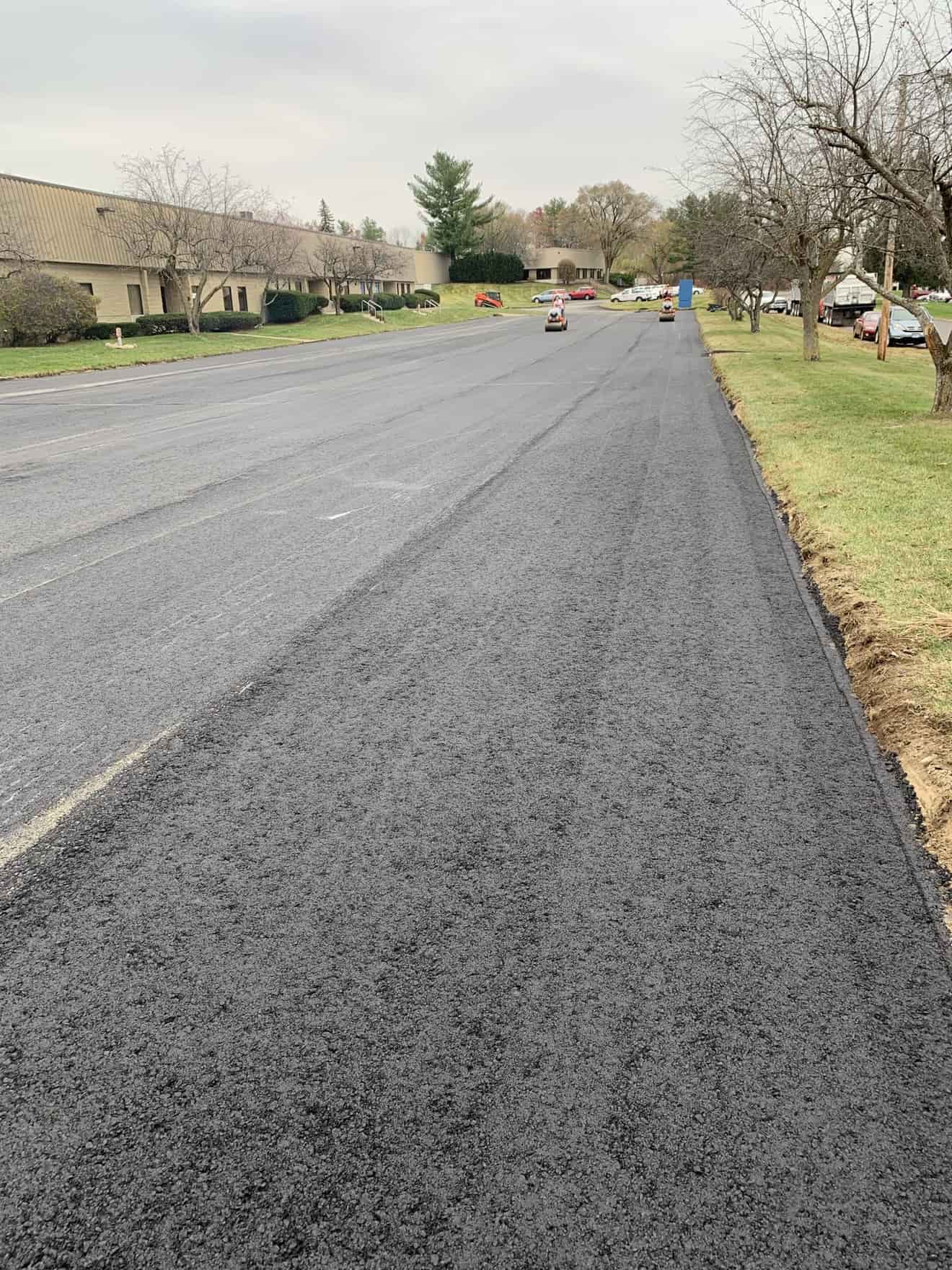
An overlay, sometimes called a resurface or a mill-and-fill, lays a fresh inch or two of hot mix on top of your existing pavement. It works on driveways, lots, and roads where the structural base is still doing its job but the top layer has weathered, cracked, or worn down to the point where it's ugly and starting to leak water through to the layers below.
Done at the right moment, it's the cheapest way to get another ten or fifteen years out of a surface. Done on a failing base, it's a waste of money and just delays a bigger fix by a year or two. The first thing we do on every resurfacing job is figure out which side of that line your pavement is on, and then tell you straight which one it is.
What the job covers
- Inspection of the base, edges, drainage, and any active failures
- Edge milling so the new layer meets curbs and concrete cleanly
- Base repair on isolated soft spots, sunken catch basins, and bad patches
- Crack routing and sealing to keep them from telegraphing back through
- Tack coat across the existing surface so the new mix bonds properly
- Machine-laid hot mix at the right thickness for the load
- Hand-finished edges and grade-matched transitions in and out
- Steel-drum and rubber-tire rolling for a tight, smooth finish
For driveways and most lots, an overlay typically buys you ten to fifteen more years if you keep up with sealcoating after. We'll lay out exactly what you can expect from your specific surface during the walkthrough.
Why Hire Us
Why folks call us specifically for overlays
We'll tell you not to do it if it's wrong
Plenty of contractors will overlay anything. We won't. If your base is failing, an overlay is the wrong call and we'll say so even though it costs us the bigger ticket.
Costs roughly half a tear-out
When it's the right call, an overlay typically lands at 30 to 50 percent of full replacement. You get a surface that looks and drives like new, without paying for excavation you don't need.
In and out faster
No deep excavation means less disruption, less mess, less time the lot or driveway is closed. Most overlays are wrapped in a fraction of the time a full replacement would take.
Common Questions
Asphalt resurfacing FAQ
Want to know if an overlay is right for you?
Send us the address or pick up the phone. We'll come look, walk it with you, and tell you whether to overlay it, repair it, or rip it out. Free either way.